Made For Play Blog
Explore child development through play, find inspiration for your next DIY project, and discover tips for selecting the perfect toys for your little ones.


Latest Articles

Outdoor Playhouse Halloween Decor
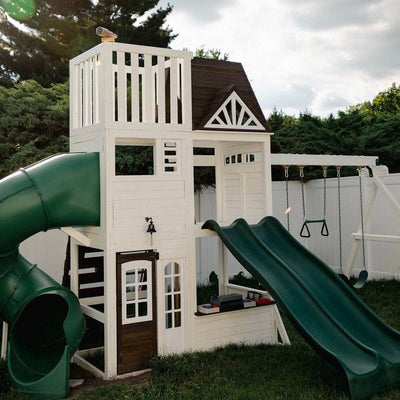
Ready to turn your kids’ outdoor playhouse into a frightfully fun Halloween hideout? Decorating an outdoor playhouse for Halloween is a great way to get the whole family into the festive spirit, and it doesn’t have to be complicated or expensive. Whether you want to create a somewhat spooky haunted house vibe or a cute pumpkin patch, there are plenty of outdoor playhouse décor ideas to make your child’s play space ready for Halloween. Halloween Playhouse Decorating Ideas Get some inspiration with these simple Halloween decorating ideas to transform your kids' outdoor playhouse into a festive retreat: Spiders, Webs, and Spooky Things Drape fake spider webs across the playhouse windows, door, and roof. Add plastic spiders and other creepy critters to complete the eerie effect. This is a really quick and easy way to give the playhouse a spooky touch! Pumpkin Patch Porch Place a few small pumpkins and gourds on the playhouse steps or porch. Dress them up by painting them with fun faces or let the kids decorate their own pumpkins with stickers or markers. Ghoulish Getaway Create a simple ghost garland by stringing together paper or cloth ghosts and hanging them across the front of the playhouse. These mini ghosts add a cute but spooky element without being too scary for little ones. Glow-in-the-Dark Décor Glow-in-the-dark stickers and paint make great toddler Halloween decorations and are an easy way to make any playhouse festive. Stars, moons, or even glow-in-the-dark skeletons can give the playhouse a fun glow at night. Flying Bats Cut out bat shapes from black construction paper or felt and hang them from the roof of the playhouse with string or fishing line. As they sway in the wind, they’ll add a playful, spooky atmosphere. Mini Jack-O'-Lantern Lights Use battery-operated string lights shaped like mini jack-o’-lanterns to outline the door or roof of the playhouse. These add a Halloween vibe while making the playhouse extra cozy at night. Monster Mouth Entrance Transform the playhouse door into a monster’s mouth by cutting out big teeth from poster board and attaching them around the doorway. This is one fun and silly décor idea the kids are sure to love! These ideas are simple enough that your kids can help decorate and they’re also budget friendly. Whichever idea you choose, it will make your child’s playhouse the perfect spot for doing some fun toddler Halloween activities in! In need of an outdoor playhouse for your yard? Shop playhouses online today.

7 Halloween Ideas for Toddlers
No need to get spooked by Halloween activities that cost an arm and a leg or take hours to prep. These Halloween ideas for toddlers are easy, cheap, and most importantly super fun for your favorite little monsters! Easy Witch’s Brew From Toddler Approved If you’ve ever made “Nature Soup” in your backyard, you know how oddly entertained toddlers are by adding random objects to buckets of water and stirring away. All you need to turn that “soup” into a spooky witch’s brew is a few inexpensive Halloween-themed objects. This version uses eyeball “ice cubes,” plastic spiders, and fake cockroaches, but anything you have on hand works! If you have any witches’ hats and cauldrons around, be sure to use them to add to the fun! Pumpkin Bath From Busy Toddler Do pumpkins need a bath? Nope. Will that stop your toddler from absolutely loving the responsibility of bathing the pumpkins? Nope. They’ll love it. Just fill up your sink with some water and suds, toss in a few small pumpkins and hand the kiddos a few scrub brushes or rags. Jack-o-Lantern Sensory Squish Bags From Fantastic Fun and Learning Sensory activities are great for toddler engagement. The only major downside is they tend to be… messy. Like sometimes really, really messy. But not these easy jack-o-latern sensory bags. All you’ll need is some yellow or orange food coloring, corn syrup or cheap hair gel, and black felt for the jack-o-lantern face. We like the approach of taping it to a window, so the light can shine through as they squish the orange “pumpkin” gel and rearrange the jack-o-lantern’s face. And the best part? All the mess is contained in the bag, so you can get a few things done while they play! Spider Stamping From Crafty Morning Is there anything better than activities that are free and ridiculously easy? As long as you have some paint and paper somewhere (and what toddler parent doesn’t?), you can make these easy spider stamps with almost no prep or extra cost. Just cut a few slits into an old toilet paper roll, dip it into the paint, and let your little ones stamp away as they create their spiders. Googly eyes add an extra layer of fun...especially if they want to add 8 eyes to each spider! Pumpkin Hammering From Montessori Dad’s Way This activity has been popping up all over Insta for good reason. It’s endlessly entertaining and helps develop strength and fine motor coordination. Poke some golf tees into a pumpkin (you can use a real one or a foam one), provide some wooden hammers, and let your toddler hammer them into the pumpkin. You can adjust it to their level depending on how deep you make the holes for them. Little ones may need you to push the tees all the way in and then pull them back out. Pour Painted Pumpkins From Homegrown Friends Kids already love pouring and painting, so just add a pumpkin, and you’ve got a Halloween toddler activity that yields surprisingly pretty results. Use white pumpkins and colors that blend well together, and you just may end up with something front-porch worthy. The Switch Witch Part activity, part brilliant way to prevent your toddler from eating 5 lbs of candy on Halloween. Just like Santa and the Easter Bunny, the Switch Witch brings kids special surprises on her favorite holiday. The only catch? She’ll want to “switch” that surprise out for a big bucket of candy! Kids are pumped about their new toy (maybe go for something they’ve had their eye on for a while), and the Switch Witch always leaves a few pieces of candy for the littles to enjoy. You can give the kiddos some control by letting them decide what candy they really want to keep and how much they’ll leave out for the Switch Witch. Turn it into an all-October activity by building up the Switch Witch, drawing your own Switch Witch pictures, or reading a Switch Witch book together.

8 Activities Using Play Food for Kids
We all know that play kitchens and the play food that comes with them are great for dramatic play. I mean, who doesn't love being served pizza-watermelon-cookie soup by their toddling chef? But your kids’ pretend food makes a great addition to other activities too! Here are 8 new ways you can put that pretend food set to use in these food play activities for kids of all ages. Sorting Sorting is naturally fun for kids! They have a natural desire to find patterns, opposites, and categories. Play food sets offer all kinds of sorting activities for toddlers and preschoolers. Toddlers can sort by color, and older children can use more abstract concepts to sort the food items. (Which foods are for breakfast/lunch/ dinner? Which foods are sweet/ sour/ savory? Which foods are served hot or cold?) Mystery Bags Stereognostics, aka mystery bags, are a classic Montessori-inspired activity. To make one, put a few different objects in an opaque bag. Have your child reach in and feel the objects, describe them, and try to identify them, all without taking a peek. This activity helps your child develop their tactile senses, vocabulary, and reasoning skills. Play food presents a great challenge for this activity! Because most pieces of play food have a similar texture and weight, kids will have to use their fingers to explore the shapes to identify them correctly. This added challenge is perfect for older preschoolers who have already mastered mystery bags with easier-to-identify objects.. Learning Fractions Toy foods like this apple pie or cake set are perfect manipulatives for introducing fractions. Abstract number concepts can be tough for kids, but make that concept tangible and dessert-related? Now that’s something they’ll get on board with! Shopping & Math If your school-age kiddo loves to play restaurant or shopkeeper, have them create their own price list for each of the food items. When it’s time to pay the bill, you can add up the total together. This activity is especially great for introducing the concept of multiplication to school-age kids. (If I want to buy three pizza slices, and you charge $2 per slice, how much should I give you?) Raid your Monopoly box for pretend money or make your own for even more fun! Clay Models Add a little challenge and inspiration to play dough time by asking your child to make their best playdough or clay version of their play foods. Play food items are the perfect level of difficulty for this kind of activity: simple and easy to make yet interesting and intricate enough that your kids will enjoy trying to copy them. Stencils and Stamps Bring your play food set into the craft area for fun food-inspired art! Use them as stencils, letting kids trace the outline and then color and draw inside. Or pour a small amount of washable paint onto paper plates, and use them as stamps! Sensory Bins Sensory bins are all the rage on Pinterest, Instagram, and pretty much every mom blog around. And yes, they live up to the hype! While there are all types of sensory bins, a classic version includes a base like dyed rice, beans, or kinetic sand along with smaller objects and toys. Kids love pouring, digging, and sifting through the base to find the toys, and play foods make a perfect addition. Since sensory bins are often themed around holidays, seasons, and other categories, toss in a few play foods that fit your theme! Looking to shop for the perfect play kitchen or pretend play toy by age? Explore our selection for 2-to-4 year olds and 3-to-5 year olds now.

Benefits of Using Play Food for Learning
Play food might seem like just a fun toy for kids, but it’s also a great learning toy that supports early development in many ways. From sparking creativity and imagination to teaching important life skills like sharing and problem-solving, activities using play food for kids can have a big role in your child’s development. How Play Food for Kids Encourages Learning Food for play helps kids develop essential skills, from early math and literacy to social skills and creativity. Sensory Play Play food and play kitchens are a great way to introduce sensory play. Handling pretend fruits, veggies, and other items lets kids use their senses to learn about the characteristics of food, making them more familiar with what they might encounter at the table. For children with picky eating habits, play food can be especially helpful in encouraging curiosity and easing anxiety around trying new foods. Early math and literacy Play food can be a fun way to introduce early math and literacy skills. Food-themed play makes concepts like counting and letter recognition more interactive and enjoyable. For instance, kids can practice their ABCs with pretend ice pops labeled with letters or count pretend cookies during a tea party. Language and sequencing Playing with pretend food and utensils can help children to develop language skills and understand sequencing. As they "cook" meals, set tables, or role-play in a restaurant, they naturally build vocabulary by naming foods and utensils and using action words like "stir" or "bake." Sequencing also comes into play as they learn to follow steps like preparing food, serving food, and cleaning up. Social skills Pretend restaurant play is a fantastic way for kids to build social skills. Role-playing as a chef, waiter, or customer encourages them to practice conversational skills and gain confidence as they take orders, explain menu items, or ask for food. Creativity Play food and pretend kitchens offer kids a hands-on way to spark their creativity. They can experiment with "cooking" different meals, creating imaginative menus and recipes, or even opening their own pretend restaurant. This type of play encourages children to invent new ideas and express themselves in creative ways. Life skills This type of play also helps kids learn essential life skills. They can learn about meal preparation, cleaning up, and organizing. As they mimic real-life tasks like cooking and serving, they begin to understand responsibility and build independence. Play food and pretend kitchens offer numerous opportunities for kids to learn, explore, and grow through imaginative play. From building social skills and language to fostering creativity and life skills, these classic toys have a powerful impact on early childhood development. Shop play kitchens and play kitchen accessories at KidKraft.

How to Encourage Independent Play
By recognizing the value of independent play, parents can encourage their toddlers to embrace solo playtime, fostering a sense of exploration and self-discovery that’s invaluable for their overall development. Ideas for Encouraging Independent Play in Toddlers By implementing the following ideas, you can reduce the need for constant adult involvement and cultivate a love for solo playtime in your little ones. 1. Set Up an Environment that Fosters Independent Play Creating an environment that is both safe and engaging for your toddler is key to fostering independent play. Stock the area with toys and materials that encourage exploration and creativity, such as building blocks, puzzles, and pretend play toys like dress up clothing and a play kitchen. Additionally, incorporating age-appropriate books and art supplies, including an easel, can further stimulate your child's imagination and independent play. 2. Create a Toy Rotation Schedule By setting up a rotation, you can periodically swap out the toys available for your toddler, bringing back the ones they haven't seen in a while. This way, each time the toys come back into view, it's like discovering them all over again, sparking fresh interest. This simple strategy combats boredom and prevents toy fatigue. It creates an environment of excitement and anticipation as they never know what they might find when the toys are rotated. As a bonus, having fewer toys out at once can also promote better focus and deeper engagement. 3. Let Their Interests Guide Activities You Set Up Whether it's a fascination with animals, building blocks, or imaginative role-playing, tailoring play setups to match your child’s interests can create engaging and fulfilling independent play experiences. For example, if your toddler adores going to the zoo, you can set up a pretend zoo experience at home with stuffed animals and sectioning off different zoo exhibits using blankets and pillows. You can even set up food areas with a pop-up restaurant and smoothie stand. As your child becomes immersed in this imaginative world, they’ll naturally engage in extended play that fosters creativity and cognitive development. Incorporating a child's interests into play experiences encourages a sense of ownership and independence. As they revel in activities that speak to their passions, toddlers become more enthusiastic and willing to immerse themselves in solo play, nurturing a genuine interest in independent exploration. Follow these toddler independent play ideas and you’ll be off to a great start for encouraging independent play in your kids. Explore KidKraft online to find the perfect toys and activity sets for independent play.

Play Kitchen Features to Look for by Age
When shopping for a play kitchen set, it's essential to consider the unique features that match your child's age and developmental stage. A well-chosen play kitchen can inspire imaginative play, improve motor skills, and encourage social interaction. Understanding what features to prioritize by age ensures that your investment grows with your child, providing endless hours of creative fun. How Does a Play Kitchen Help a Child's Development? Imaginative play is instrumental in a child's development. Play kitchens offer a safe space for kids to experiment and engage in imaginative scenarios. By simulating real-life activities, children can make sense of the world around them, enhancing their sense of independence and understanding of everyday tasks. When kids engage in activities like cooking in a play kitchen, it sparks their creativity and problem-solving skills. Through these experiences, children learn to communicate and collaborate, which helps develop essential social skills. What are the Best Ages for a Play Kitchen? While the ideal age for play kitchens varies, children generally show interest in role-playing and imitating adult activities around the age of two. For toddlers, play kitchens are ideal for imaginative play, fostering essential skills like creativity, social interaction, and problem-solving. As they grow, children continue to benefit from play kitchens, refining their motor skills, cognitive abilities, and understanding of everyday tasks. Observing your child's interest in mimicking kitchen tasks, using toy utensils, and engaging in pretend cooking can indicate readiness for a play kitchen. Keep in mind that each child's development is unique, so look for cues like curiosity about food preparation, setting up pretend meals, or even mimicking conversations from the kitchen. What Play Kitchen Features to Look For Suitability of play kitchen features varies by age. Choosing the right features can enhance the play experience and support appropriate developmental challenges. For example, for younger children, simplicity and safety are key. Kitchens with simple knobs and fewer small parts are ideal since these components are safer and easier for toddlers to manipulate. On the other hand, older preschool and early elementary school children may benefit from more interactive elements and realistic accessories like microwave doors and additional storage space. These features can encourage advanced play and create a more engaging play experience. Storage Size Play kitchens with smaller storage areas can help little ones develop organization skills by requiring tidiness and creativity in arranging kitchen items efficiently. This is ideal for toddlers just starting to engage in imaginative play. Play kitchens with larger storage spaces allow for more extensive play setups, ideal for older preschool children and younger school aged children. They also accommodate a variety of kitchen accessories and encourage diverse role-playing scenarios. Functional Elements Functional elements add a realistic touch to the play experience, making a play kitchen set more engaging and fun. For example, turning knobs allow children to imitate cooking actions, while opening cabinets provide a sense of exploration and discovery. The inclusion of sounds further enhances the play experience, allowing kids to interact with the kitchen as if it were real. These elements not only foster imaginative play but also facilitate the development of fine motor skills and cognitive abilities. Toddlers need play kitchens with large, easy-to-manipulate components to ensure their safety and enjoyment. A minimalistic design with simple knobs and fewer small parts is ideal for not only fostering their motor skills but also providing a safe environment for exploration. Older kids might enjoy play kitchens with more intricate features that can encourage more advanced play. Features like microwave doors and extra storage can stimulate creativity while providing a better understanding of real-world kitchen environments. They also offer opportunities for interactive play, allowing kids to develop social skills through role-playing with friends or siblings. Play Kitchen Accessories When choosing play kitchen accessories, consider a mix of utensils, food items, and other kitchenware. By incorporating a variety of accessories, you can create a dynamic and immersive play environment that encourages exploration, socialization, and learning. Best Play Kitchen Sets When shopping for a play kitchen set, be sure to get one made with material that’s durable and safe for kids and has features that add interest and spark curiosity and imagination. For more tips on what to look for in a play kitchen set, check out our buying guide. Shop KidKraft’s quality play kitchen sets online. We have options available to suit various ages, space considerations, and budgets.

5 Sensory Bin Ideas for Fall
Heard about sensory bins but aren’t quite sure what they are? Essentially, a sensory bin is a shallow container that you fill with materials that stimulate a toddler's senses and create a hands-on experience. They’re designed to ignite imagination and learning through tactile exploration. Sensory play is important for early childhood development, as it enhances cognitive abilities and fine motor skills. With a wide array of textures and elements, sensory bins provide a dynamic platform for interactive, experiential sensory learning. What You Will Need to Make a Sensory Bin There are numerous possibilities when creating sensory bins, as they can contain a variety of items with different colors, shapes, and textures. It’s also fun to create theme-based bins around holidays, seasons, or your child’s interests (such as dinosaurs or trains). To get started, some basic items you’ll need to create a sensory bin for toddlers include: Container: A plastic tub, box, tray, or bucket makes a great base for a sensory bin. Sensory bins vary in size; however, you’ll want to choose a large enough container to fit a variety of fillers and for your child to have room to comfortably play. Fillers: Materials like uncooked rice, pasta, and beans, kinetic sand, and water beads. Toys and tools: Scoops, funnels, cups, and small toys. Accessories: Items for thematic sensory bins, such as leaves or fake snow. Sensory Elements: Textured materials, scented items, or colorful objects. Creating a sensory bin is an open canvas, allowing everyday items to be used in unique ways. The versatility of materials and the opportunity for creativity means that sensory bins can be tailored to match any theme. Fun Fall Sensory Bin Ideas Whether you’re just getting started creating sensory bins or need some inspiration for creating a new one, check out some fun fall-themed sensory bin ideas below. 1.Pumpkin Sensory Bin To set it up, you'll need a large plastic tub, dried black beans or orange lentils, plastic mini pumpkins, small scoops, and containers for transferring items back and forth. 2.Fall Colors Sensory Bin Use dried colored pasta in various autumn hues (red, orange, yellow) as the base. Add droppers and colored water to encourage color mixing and fine motor skill development. Consider adding seasonal items like small decorative pumpkins or acorns for a multi-sensory experience. You can also introduce tools for scooping and sorting, enhancing the learning aspect and prolonging engagement. 3.Farmyard Sensory Bin Create a mini farm scene with small plastic or wooden farm animals, hay, and sensory-friendly “dirt” made from cloud dough. This allows kids to engage in imaginative play while exploring different textures. 4.Halloween Themed Sensory Bin For the main filler, use orange dyed rice. You can make this by pouring 1-2 cups of rice into a large plastic Ziploc bag and adding 5-10 drops of orange food dye and a tablespoon of vinegar. Seal it tight, shake, then pour on a baking tray to dry. After adding the fully dried colored rice, toss in a mix of Halloween goodies you have on hand or from your local dollar store. Skeletons, spider rings, plastic eyeballs, and cauldrons are some fun add-ins. As with any bin, just be sure to get age-appropriate items for safety. Finally, provide some scoops, tongs, measuring cups, funnels, and bowls for scooping and pouring to encourage fine motor skill development, dexterity, and hand-eye coordination. 5.Thanksgiving Themed Sensory Bin For a Thanksgiving themed base, you can use dry corn kernels, regular popcorn, dry beans, or split peas. Non-food sensory bin fillers can include shredded paper, feathers, fake leaves, or real leaves from outside. Then, add Thanksgiving and fall items such as: Fabric scraps Acorns Gourds Decorations Turkey figures Wheat sprigs Pinecones Of course, be sure to include tools to scoop, pour, and sort. Explore KidKraft's collection of toys to find the perfect additions to your sensory bin creations. Shop activity tables to find the perfect space to place sensory bins or provide additional types of sensory play activities for your kids.

At-Home Kids Scavenger Hunt Ideas
Family Favorite Pretend Play Activities Scavenger hunts for kids are more than just a fun and engaging activity - they also help kids hone developmental skills and understand the value of teamwork. Whether designed for indoors or outdoors, scavenger hunts provide a good blend of education and entertainment, making every find a step towards improved cognitive abilities and social skills. Kids scavenger hunts provide several benefits, such as: Improving problem solving and critical thinking skills Scavenger hunts for kids challenge them to think on their feet. Deciphering clues pushes kids to leverage their problem-solving and critical thinking abilities. For instance, finding an object based on a riddle requires quick decision-making. This is a fantastic way to nurture their intellect in a fun, engaging setting. Sparks a sense of adventure Scavenger hunts ignite a sense of adventure in kids, nudging them to look beyond the obvious and turning everyday settings into places for exploration. As they hunt for items, whether nestled between books on a bookshelf or hidden beneath a slide in a park, their curiosity blooms. These activities invite kids to see their world through a lens of wonder, making every found object a victory in their search for knowledge and discovery. Builds teamwork Participating in scavenger hunts fosters teamwork and enriches social skills among kids. They learn that success often hinges on a collective effort and diverse strategies, rather than going solo. For instance, deciphering clues together reveals varied perspectives. This collaboration teaches compromise and celebrates each child's contribution, paving the way for friendships built on mutual achievements, respect, and shared excitement. At-Home Scavenger Hunt Ideas There is a wide array of possibilities for at-home kids scavenger hunt ideas, both indoors and outdoors. The scavenger hunt ideas below will not only keep little ones entertained, but also cater to age-specific curiosities and preferences of older kids, ensuring everyone involved has a blast. Indoor Scavenger Hunt Ideas Inventing a scavenger hunt for kids doesn't require a treasure map or anything extravagant. All you need are clever ideas and a tad bit of creativity. Below are some simple but fun indoor scavenger hunt ideas to get you started. Color Quest: Ask them to gather objects that match specific colors. Theme Adventure: Create a story and have them find items that fit the theme. Memory Lane: Encourage finding objects related to a fun family memory. All it takes is a little imagination to turn your home into an exciting place to explore! Outdoor Scavenger Hunt Ideas Engaging kids in your backyard or local park has never been easier with at-home kids scavenger hunt ideas. Creating scavenger hunts that involve natural elements are extremely easy to execute and kids always love them. For example: Identifying different types of leaves Collecting various rocks Spotting unique bird species You get the idea. Each activity is not only fun but transforms into an educational journey through outdoor exploration! Explore KidKraft's collection of toys to find the perfect additions to enhance your at-home kids scavenger hunts!