Made For Play Blog
Explore child development through play, find inspiration for your next DIY project, and discover tips for selecting the perfect toys for your little ones.


Latest Articles

KidKraft Parent Series: Family Favorite Pretend Play Activities
Family Favorite Pretend Play Activities From preparing kids for real-life scenarios to boosting their emotional intelligence, pretend play is essential for every child’s development. That’s why “Made for Make Believe” is the motto behind everything we make at KidKraft– and why KidKraft toys will always be a huge part of playtime in our own homes! As part of our KidKraft Parent Series, we asked two KidKraft parents to share how they use KidKraft products to foster fun, brain-boosting pretend play for their kids. Here are some of their kiddos’ favorite toys and pretend play ideas! How does your family like to play together? TAYLOR: We love just being silly and creative together. We'll do crafts, play dolls or dress up or just make up really elaborate characters for each other and see how long we can keep the story going! LEAH: We love playing board games together. We started a collection when they were young and keep adding to it throughout the years. There's always something to play when we have those stormy Texas days or a Friday night in. And of course, imagination and pretend are a huge part of how we play together daily. What are your family's favorite KidKraft toys? TAYLOR: Our favorite KidKraft toys are dollhouses and play kitchens. Pretend play is what our daughter has always gravitated toward. Those toys do a really great job of giving kids enough of a framework to play while still leaving a ton of room for their individual imaginations to push the limits, so they’re a perfect fit for the way our daughter loves to play! LEAH: We love the Farm to Table Kitchen! It comes with so many accessories that aren’t included in most play kitchens. One of our favorites is the planter boxes with “choppable” veggies – they let the girls pretend like they’re really growing and cooking their own food! What are your kids’ favorite ways to pretend with KidKraft toys? TAYLOR: Our dollhouses are so fun because they can be so much more than a dollhouse, and we often pretend one is a hotel, a school, or even a vet's office for all her little doll pets. Kitchens are equally as fun because we'll make them a restaurant or burger shop and create wacky food combinations. LEAH: The girls love pretending they have a store/market setup with a-la-carte food items and drinks. Then they can wrap up their snack stop and move on to pretend shopping! How does KidKraft help your family with pretend play? TAYLOR: What I love most about our pretend play toys is really that balance between real life and imagination. We give kids a kitchen that looks realistic so they can mimic mom or dad, but we incorporate really fun features that we know kids love and features that we know are important for development. We give them a base, and their imaginations take it from there! LEAH: All of the KidKraft toys in our home bring so many opportunities for imaginary play. They have just the right balance of real life details and fun play features. This has helped our girls really engage with the toys but also understand and prepare for real-life situations by allowing them to imagine and explore creative responses. Need some more inspiration to keep the kids busy this summer? Try out one of our 12 Outdoor Pretend Play Ideas!

7 Playtime Theme Ideas
Need some help coming up with some playtime ideas your kids will love? Thinking of themes often makes it easier to create fun play activities since a theme helps to shape the general idea and then specific activities that relate to the theme become easier to come up with. By adopting themes, such as space travel or restaurant, kids get to exercise their creativity while working on various developmental skills. This theme-based approach to coming up with playtime ideas enriches their experiences and makes both indoor play and outdoor play an adventure. Creative playtime activities also help support emotional wellness, foster skill development, and expand the imagination. Creative Playtime Theme Ideas Playtime themes make coming up with activities that spark creativity for kids fun and simple. From pretend indoor classrooms to outdoor firefighter play, there’s a playtime idea to match every child’s interests. Below are just a few theme ideas your kids are sure to love engaging in. 1. Ice Cream Shop Kids will love taking turns being ice cream store shopkeepers and customers, with scoops of pretend treats filling colorful bowls. This activity helps them hone their math skills through playful transactions while also giving them the opportunity to practice social interactions. 2. Restaurant Similar to ice cream shop pretend play, in a restaurant scenario, kids can also add in the roles of a host, waiter, and chef. This activity introduces them to basic cooking and hospitality skills. Depending on their age, they can even work on math skills by calculating tips! 3. Classroom Children mimicking a classroom setting lets them switch roles between the teacher and student. This play scheme fosters an early love for education, nurturing future leaders and learners alike. 4. Breakfast Smoothie Station Engaging children in setting up a Breakfast Smoothie Station will spark into their culinary creativity as they come up with delicious, healthy breakfasts for themselves and others. They’ll love tossing in all the pretend fruit and veggies, pouring in some juice, and pressing the button on the blender. 5. Space Travel A space travel theme fuels a child's imagination towards space travel. It enlightens them about the mysteries of planets and stars, fostering an excitement for exploring the unknown. 6. Firefighter Pretending to be firefighters enables kids to role play bravery and responsibility. It also shows them the importance of teamwork and the critical role rescue workers have in our world. 7. Laundry Day A laundry day playtime theme is a perfect activity for kids to mimic what they see you doing in the home. Having their own pretend washer and dryer set enhances the fun. You can even use this activity to have them help with your actual laundry, turning daily chores into an engaging adventure! This is a great way to teach kids about responsibility and the fundamentals of laundry tasks - all while having a blast. These playtime theme ideas, along with some favorite family pretend play activities, will keep your kids engaged in playtime fun for quite some time! Shop KidKraft’s indoor toys for any specific theme-related items to enhance your child’s themed play.

4 Tips to Keep Playhouses Bug Free
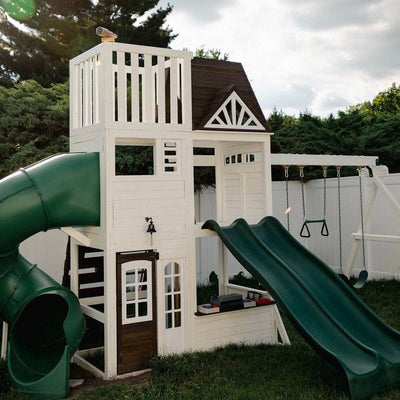
Kids outdoor playhouses are a fun way for little ones to tap into their creativity while enjoying playtime outside. But, like anything else, playhouses need to be regularly cleaned and maintained to last and continue to be a safe environment for kids. One of the biggest challenges with being outdoors is keeping the bugs away – and this is no different with kids playhouses. A fun playtime experience can quickly become frustrating if bugs decide to crash the party! So, instead of letting bugs ruin the playhouse fun, you can be proactive by learning how to clean your outdoor playhouse and keep it bug free. How to Clean Outdoor Playhouses Cleaning kids outdoor playhouses is necessary for keeping them safe and germ-free, and – you guessed it – bug free! Check out a simple step-by-step process for cleaning your kids playhouse below. Step-by-Step for Cleaning Outdoor Playhouses Before you get started cleaning, remove all toys and movable objects to make it easier to access every corner. 2. Prepare a natural, child-safe cleaner. You can use gentle soap or a baking soda solution to scrub down any dirt. This will stop your playhouse from eroding with harsh chemicals and be kinder to children's skin if they come into contact with it. 3. With a soft brush or sponge, gently wash all surfaces to tackle dirt and grime. Pay special attention to nooks and crannies where bugs might hide. 4. After washing, rinse the playhouse with clean water. 5. Lastly, dry the surfaces with a clean towel. Alternatively, you can let them air-dry. How Often Should You Clean Kids Outdoor Playhouses A kids outdoor playhouse should be cleaned at least once a month. But during seasons where it’s being used frequently, you’ll want to clean it more often. To stay consistent, add it to your regular cleaning schedule. Other Tips to Keep Kids Outdoor Playhouses Bug Free Keeping your kids outdoor playhouses free of pests doesn’t have to be a burden. Besides the most important step of regularly cleaning it, these additional tips will help your kids playhouse remain bug free without a ton of effort on your part! Use diatomaceous earth Consider sprinkling this natural, non-toxic powder made from fossilized algae around your playhouse It acts as a deterrent for bugs, dehydrating them upon contact. Diatomaceous earth is an eco-friendly solution, offering a way to keep playhouses bug-free without harming the environment or little ones. Place insect repelling plants around the playhouse Strategically placing certain plants that naturally repel insects can create a barrier, reducing or eliminating the need for chemical repellents. For instance, lavender, marigolds, and lemongrass not only deter unwanted pests but also enhance the playhouse's aesthetic appeal. Don’t leave food behind Don’t leave food lying around. Clean up all crumbs and spills right away – and have your kids help with clean up too. Shop KidKraft's outdoor playhouses and other outdoor toys to create a magical space in your backyard that your kids will love.

How to Keep a Sandbox Clean
If you have a kids sandbox or are thinking of getting one for your backyard, you may be overwhelmed with the thought of cleaning it. You may even be wondering: How do you even keep a sandbox clean? How often should it be cleaned? Do sandboxes really need to be cleaned? We’ve got the answers to these questions and are here to reassure you that keeping a sandbox clean is nowhere near as time-consuming or complicated as you may think. It’s actually quite simple! Why It's Important to Keep Kids' Sandboxes Clean Maintaining a clean kids sandbox isn't just about aesthetics; it's important for warding off bacterial growth and creating a healthy play space for your little ones. Dirty sandboxes can become breeding grounds for bacteria and bugs, posing some health risks. But regular upkeep is easy and will give you peace of mind knowing your kids can play happily for hours in a safe, healthy sandbox. How to Keep a Sandbox Clean Maintaining a clean kids sandbox will extend the life of the sandbox and ensure it remains a safe place for play. While it takes some extra time and attention to maintain a clean sandbox, none of the tips below are difficult or extremely time-consuming – and they’re well worth the little bit of extra effort. From keeping sand fresh to using a protective sandbox cover, every step below contributes to lasting fun and hygiene. Use a Sandbox Cover A sandbox cover will keep unwanted critters out and keep debris from getting inside, while helping to preserve the sand’s integrity. But the best thing about getting a cover for your sandbox is that it will drastically cut down on cleaning time! Choosing a sandbox cover that's durable and can withstand the elements will make a world of difference. Keep Sand Fresh Refreshing the sand in your kids' sandbox periodically is important, as it prevents the sand from compacting and becoming contaminated. At a minimum, the sand should be changed once a year, but how often you change it will depend on how often it's used and how much outdoor exposure it gets. In between changes, keep it pristine by using the best sandbox cleaners that won't harm its quality. Have Kids Wash Hands Before Using Sandbox Making sure kids wash their hands before diving into play can dramatically reduce the number of germs that get into the sandbox. If feasible, think about setting up a handwashing station nearby. Check Toys Weekly and Remove Broken and Unused Ones ake doing a regular check on toys in the sandbox part of your weekly routine. Remove any broken items to avoid potential injuries and declutter the sandbox by removing toys that don’t get used often or at all. This task will help catch any damage or uncleanliness that could compromise the sand's purity. Use a Natural Pesticide This will ward off pesky bugs that love making homes in kids' play areas while keeping the sandbox a safe environment to play in. Laying a Weed Barrier Putting a weed barrier under your sandbox will block unwelcome growths from underneath. Teach Your Kids Educate your kids on the essentials of sandbox cleanliness. One of the best ways they can help is to not bring food or drinks into the sandbox, as these will attract unwanted guests. Take these steps to keep your sandbox clean and you’ll benefit from the longevity of your sandbox and your kids will enjoy wholesome fun for years to come. Shop sandboxes at KidKraft today to add this classic outdoor toy to your backyard.

Stages of Play: How Kids Should Play By Age
We’ve written about types of play before – like imaginative, constructive, and active play to name a few – but many parents wonder if there are stages of play too. As in, “Should my kid play a certain way by the time they reach a certain age?” Of course, all types of play evolve as kids get older (like clumsy toddling turning into full-out sprinting or tiny block towers becoming complex structures). But some of the most noticeable and predictable developments in play happen in social play. In this post, we’re diving into the six recognized stages of social play with peers and when you can expect to see them! Unoccupied Play: Birth to 3 months When your newborn stares at objects with interest, they’re actually playing! Even if they don’t reach for those objects yet, they’re still attempting to figure out the world around them. And when they do start to reach for those objects, you may notice they don’t have any goals in mind yet; they’re likely to simply grab it and release it instead of trying to bring it to their mouth or manipulate it. This stage of play is known as “unoccupied play,” and, as you could probably guess, it doesn’t involve much social interaction at all. This is the shortest lived of all the stages. Independent Play: 2+ Years Independent play starts when a child really starts to engage with toys and objects and isn’t interested in interaction from peers or adults during that time. Instead, they’re focused on their own play. You’ll see their imaginations and focus grow during this type of play. Eventually, they’ll begin using items to represent other items (an important developmental milestone) and developing their own narratives for the play scenario. This stage can begin as early as a few months old, but it really peaks around age 2. Of course, independent play never truly goes away either. Even when kids become social butterflies, they’ll still enjoy playing by themselves occasionally. Onlooker Play: 0 -2 Years Like unoccupied play, onlooker play may not look like actual play to us. In this stage, kids tend to observe other children playing but don’t join in themselves. While you may feel like you need to encourage them to join, it’s perfectly okay for them to observe too. They’re likely enjoying the time, and they’re gaining valuable information about how older kids interact. These moments will help prepare them for more direct social play in the future. Parallel Play: 2 - 3 Years Ever notice how toddler are perfectly content being next to their little buddies… without actually doing anything with them? This is known as parallel play, and it occurs when kids are play near each other but not with each other. They may be working on similar activities or even follow each other around, but they don’t influence each other’s play yet. Associative Play: 3-4 Years This type of play is a step up from parallel play in terms of social interaction. In associative play, kids may talk to each other and influence each other’s activities but aren’t truly playing with the same things at the same time. For example, they might make suggestions for their friend’s play dough sculpture or try to copy it. Associative play is a great chance for kids to practice talking to one another and learning basic social norms before they begin more complex social play. You’ll usually see it begin around age 3 or a little sooner and last into age 4. Cooperative Play: 4+ Years When we think of “social play,” we mostly picture cooperative play, which emerges around age 4 or 5. This occurs when kids truly begin playing with each other as opposed to near each other. They’ll develop complex imaginative scenarios together and begin playing organized games with rules. Keep in mind that most of these stages refer to how kids play with their peers, not necessarily with adults. Their play with you might look quite different as they likely have more confidence interacting with you, and you are able to give them more direction on how to play than a peer could. So if your two-year old loves to play pretend with you but not with kids their own age, don’t sweat it. You’re helping them gain the confidence, social skills, and language they’ll need to grow into the next stage of social play!

How to Motivate Social Play in Toddlers
We all want our toddlers to grow up with great friends! So much so that we may be tempted to obsess over childhood social milestones and panic if our toddlers seem uninterested in social play. But you might be surprised to learn that social play in toddlers can look totally different than we expect! In this post, we’re diving into what social play is, the different types of social play, and how you can encourage social play in your toddlers! What Is Social Play? No surprises here. Social play is exactly what it sounds like – playing with others. Usually, when professionals use the term, they’re referring to social play with peers, i.e. kids playing with other kids. But social play can also encompass kids playing with parents or other adults. The earliest forms of social play begin in infancy as parents speak to their babies, make them laugh, and play simple games like peek-a-boo. Social play with peers starts later and usually develops in the following stages: Types of Social Play Sociologist Mildred Parten theorized that kids go through several stages of play before they are ready to engage in what we typically think of as social play. Onlooker play is most common around ages 2 and 3 and occurs when kids simply observe other kids playing but don’t join in. Though it may seem like they’re not doing much, they’re actually soaking in a ton of information on social norms and how older kids play together. Parallel play is also common around ages 2 and 3. In this case kids are playing near each other, often doing similar activities, but aren’t really playing with each other yet. Associative play is similar to parallel play but with a little more social interaction as kids may talk to each other and influence each other’s activities (like making suggestions for their block tower or trying to copy a friend’s drawing). This type of play is most common between ages 3 and 4. Cooperative play is what we’re likely thinking of when we picture traditional “social play.” Kids are truly playing with each other, not just near each other, and are interacting and communicating. This type of play can begin around age 3 and emerges as kids’ favorite way to interact with their peers around age 4 to 5 A major takeaway for parents is to recognize that young toddlers’ social play may not look exactly how we expect. If your 18-month-old seems to ignore her playdate buddies or your 2-year-old stares at kids on the playground instead of playing, know that these are actually early stages of social play! Learn more about these and other stages of play in our post, Stages of Play: How Kids Should Play by Age. Play with Adults In addition to these stages of play with peers, there’s another type of social play that can’t be ignored: playing with adults! Toddlers’ interactions with their parents and other caregivers are just as – if not more – critical for their social development as peer interactions. When you play with your toddler and give them your focus, you instill a sense of self worth, develop their language skills, and model how they should interact socially. Why Is Social Play Important? We’ve hinted at it already, but social play is so critical because it’s the primary way kids develop social skills that will help them be successful later in life. Through social play kids develop emotional intelligence and empathy, learn to pick up on social cues, and learn to communicate ideas and feelings. How to Motivate Social Play If you’re here, we’re guessing it’s because you want to teach your toddler how to play with others. That’s definitely a worthwhile goal! Just remember that social play comes with time. Young toddlers will engage more in onlooker and parallel play, and that’s okay! When kids do begin to attempt cooperative play with their peers, expect some tantrums and tears as they do the tough work of learning to share and communicate. Shy children or very strong-willed children may have a tougher time engaging at first, but with practice and some gentle coaching from you, they’ll get there! All that being said, these are a few simple ways you can help motivate your child to engage in social play: Play with Them! Playing with your toddler is one of the most critical things you can do to get them ready for social play. Playing and reading together gives kids the confidence and language skills they need to interact with their peers. They’ll also learn appropriate social behavior as you gently correct and redirect inappropriate behaviors. Hit the Park Parks are a great place to begin meeting peers and practicing social interactions. Young or shy toddlers can learn from onlooker play as they watch the other kids. For kids who are interested in more cooperative play, parks are a great way to practice introductions and initiating play with new friends. Host a Playdate (and Join In) Many kids feel most comfortable on their own turf and might be more likely to engage in social play at home. For some kids, simply being around other kids is enough to kick off social play. For others, a parent’s presence can help them feel more confident. If your child needs it, you and the other parents can join in on the play until your child feels ready to play with their friends on their own. Try a Mix of Familiar & New Activities Just as some kids feel more confident playing in their own home, some will feel confident exploring social play through familiar activities they already do at home. On the other hand, the novelty of new, exciting activities and toys can also encourage reluctant kids to join in on the fun! Organized sports, library craft times, a visit to a friends’ house, or new developmental toys can all be new exposures that get them excited for social play. For more ways to help your toddler’s budding social skills, check out our 7 Sharing Activities for Toddlers and tips to Grow Your Toddler’s Emotional Intelligence. Or, explore our entire collection of social play toys!

Shop by Skill: Social Play
What is social play? In simple terms, social play is a type of play where children directly interact and share with others – whether adults or other kids. Through this type of play they learn social skills like communication, sharing, turn-taking, and following rules. You may be asking, what is the importance of social skills for kids? In a nutshell, these skills help children interact with the world around them. Social skills help kids build relationships and develop skills that will help them be successful as adults. Providing your child with opportunities to engage in social play is one of the best ways to help them build confidence and develop relationships. In addition to these important skills, social play also helps kids to develop emotional intelligence. Toys for Social Development Engaging in simple social play with other children is important for kids to foster social skills, such as peer group leadership skills, emotional regulation, creativity, and working memory. If you’re wondering which type of activity is considered social play, there’s a variety of activities that fall into this category and KidKraft carries an array of toys for both indoors and outdoors that are great for social playing for toddlers and school-aged children. Toys for Social Development Two classic social play examples are playing with dollhouses and pretend kitchens. Kitchen Play Sets – A play kitchen is a classic toy that continues to delight kids and never gets old. Our play kitchens are designed with unique details and features that foster creativity and keep kids engaged in pretend play for hours. Wooden Dollhouses – Playing with dolls and dollhouses is another classic creative and social play activity. Our dollhouses are designed to be interactive and encourage kids to use their imaginations. Outdoor Social Play Toys Social play toys that are excellent for outdoor play are playhouses and swing sets. Outdoor Kids’ Playhouses – Having a kids’ playhouse in your backyard makes it convenient to combine outdoor play with social play. Our playhouses provide kids with hours of fun as they engage in creative, pretend play with their siblings and friends. Outdoor Swing Sets – Bring the playground to your backyard with our collection of wooden swing sets. They’re durable and have a variety of features to keep kids of all ages entertained together for hours. Shop KidKraft’s toys for social development. Your child will have fun and make memories while developing important life skills! Check out our toys for active play, cognitive play, imaginative play, and creative play too!

Shop by Skill: Creative Play
Creative play is a delightful form of play that enables children to have fun expressing themselves and using their active and growing imaginations. Why is creativity through play important? This form of play allows kids to try out different ideas they have while developing a variety of life skills such as problem solving and critical thinking. Creative Play Toys for Kids & Toddlers At KidKraft, you’ll find a great array of toys and playsets that foster creative play, making it easy to find activities that match your child’s interests, personality, and age. Does your child love doll play? Then be sure to browse the selection of creative dollhouses we have available. Our 12-inch dollhouses are some of the best creative play toys for 4-6-year-olds. We also carry a lovely assortment of doll furniture to add more creativity and variety to the dollhouse play experience. Outdoor Creative Play Toys Is your toddler or preschooler an artist at heart? Then why not take their art supplies outside so they can enjoy creating their masterpieces while getting some fresh air and sunshine. Art supplies are wonderful creative kids toys. Our kids’ easel collection offers standing easels in various sizes. These standing easels feature a chalkboard on one side and a dry-erase surface on the other, as well as a paper roll on top. We also carry an art table with drying rack and storage, a tabletop version of the traditional easel design that’s a perfect creative toy for toddlers. Kids’ activity tables are another fantastic option for creative play. From creation stations and chalkboard tables to art tables and more, you’ll find a style your child will enjoy. How Can Creative Activities Impact the Brain? Creative play has a critical role in fostering the development of neural connections, which are essential for enhancing both gross motor skills and fine motor skills. It also provides a way for children to express their emotions through ways other than speaking, such as drawing, painting, and writing. Shop our creative play toys for kids & toddlers. You’ll discover creativity toys your child will love to use again and again. While shopping, be sure to browse our items to inspire active play, cognitive play, imaginative play, and social play.